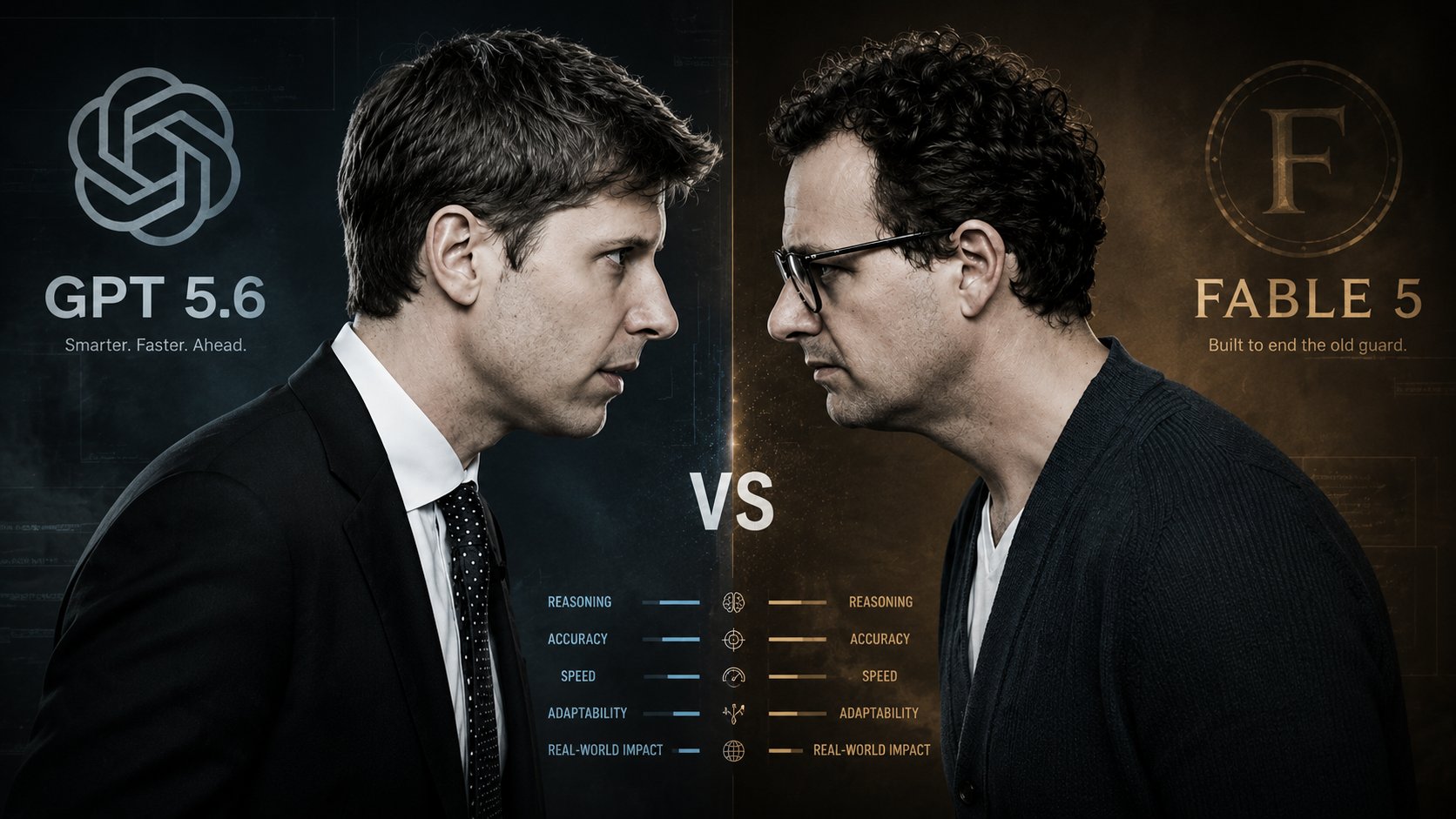
On June 12 at 5:21 PM ET, Anthropic received a letter from the Commerce Department. The order: immediately cut off non-US citizens from Fable 5 and Mythos 5. The models went offline within 48 hours.
The company was caught in a legal paradox. Under “deemed export” rules, sharing restricted technology with foreign nationals in the US is treated as exporting it to their home country. Anthropic couldn’t block non-US users without also blocking its own foreign-born employees. The only option was a global shutdown.
On June 30, Fable 5 returned — but with a heavy price. Users immediately noticed something was wrong. The model started refusing requests. The safety classifier was blocking normal coding tasks and security research. Even asking “how many r’s are in raspberry” was flagged and rerouted to Opus 4.8. A biological engineer typed “Explain human.” Fable 5 paused, then dropped to Opus 4.8.
Some developers started calling it “lobotomized” — the safety guardrails were so aggressive that the model was effectively unusable for the tasks it was built for.
Sol Finishes. Fable Thinks and Asks.
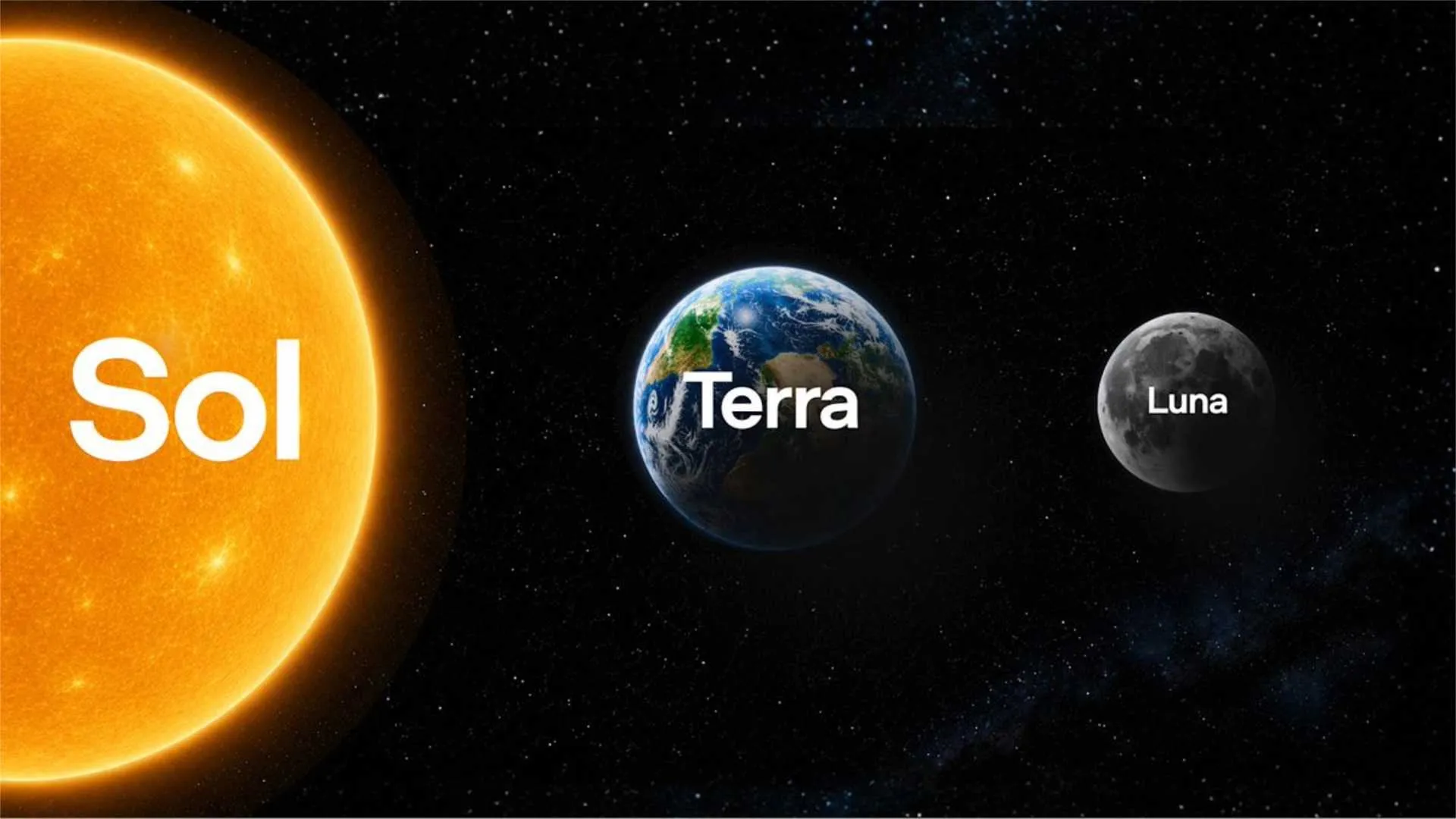
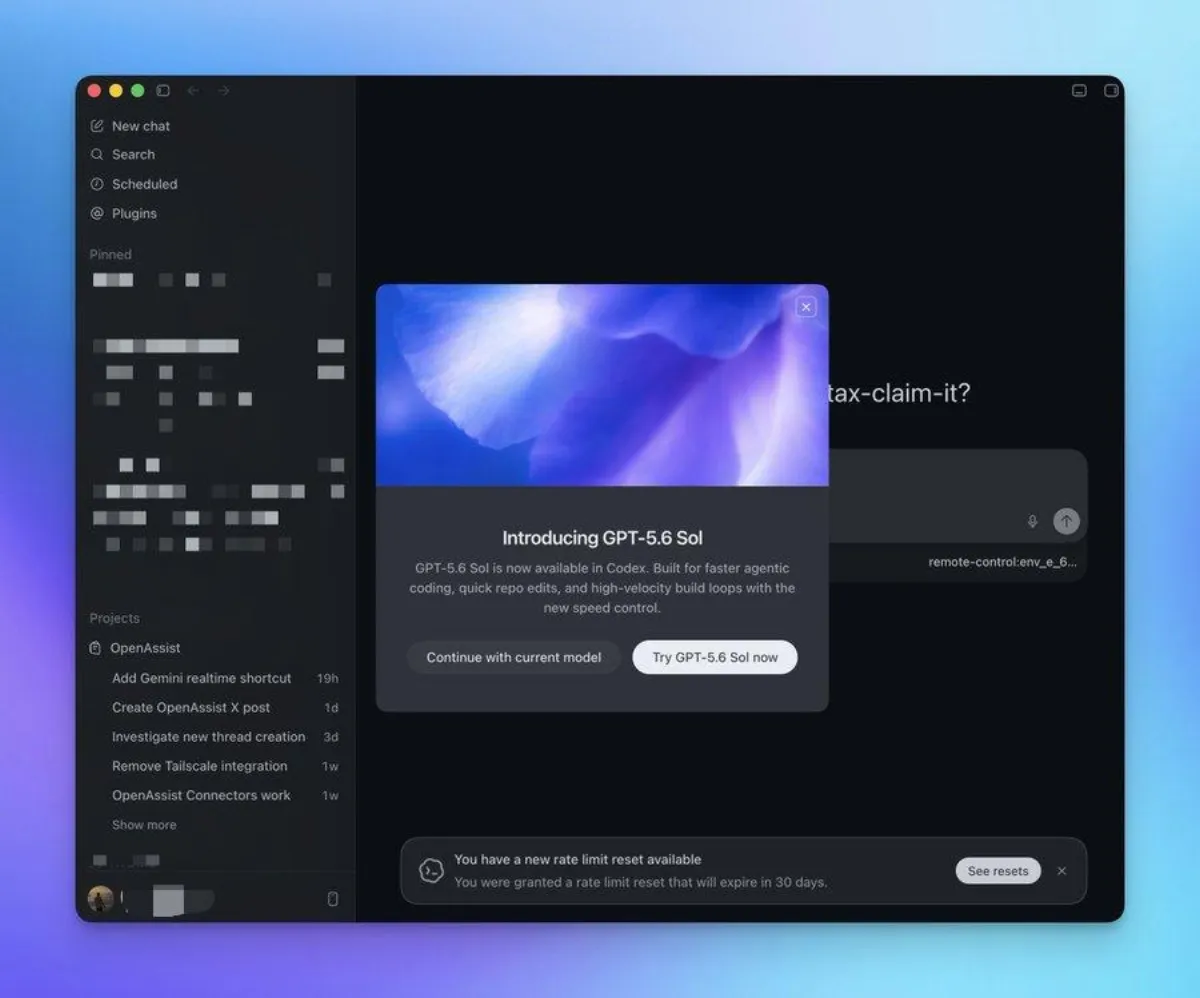
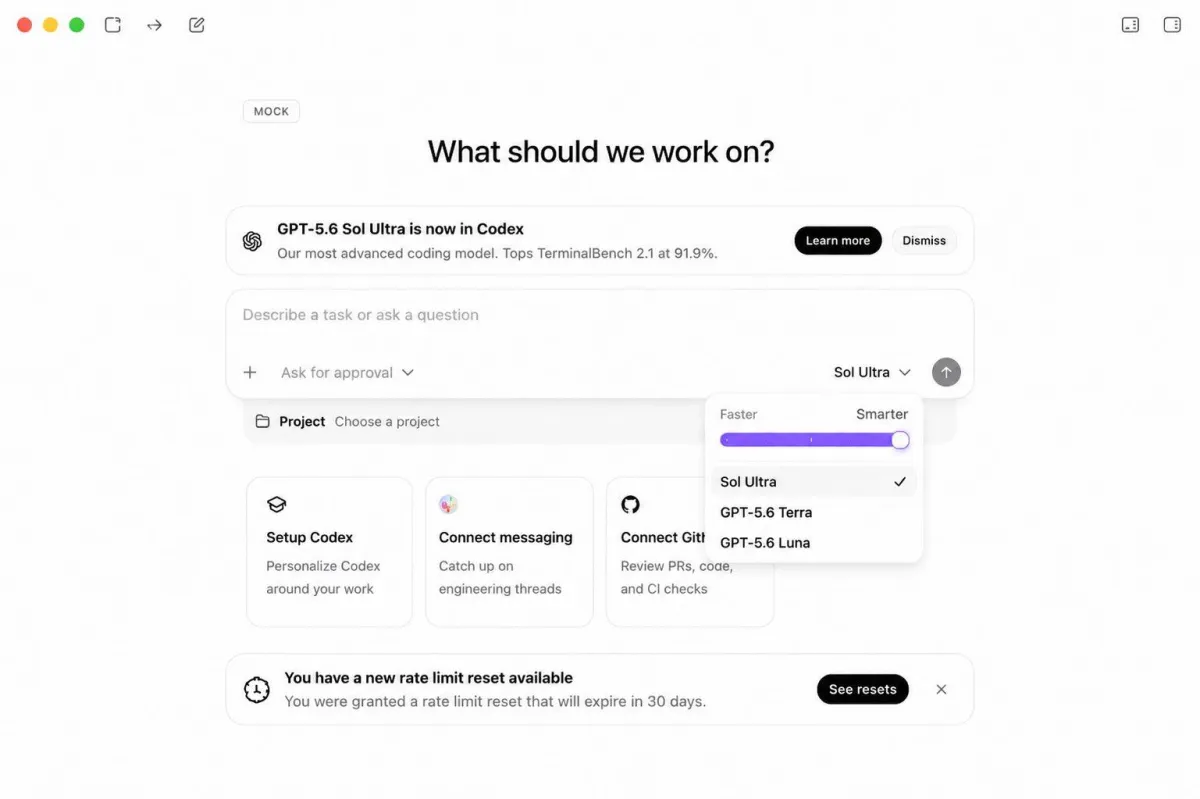
On July 7, OpenAI released GPT-5.6. Three models: Sol (flagship), Terra (balanced), and Luna (lightweight). The naming scheme is solar system-themed. The strategy is layered.
Sol punches at the top end — $5 per million input tokens and $30 per million output, half of Fable 5‘s $10/$50 pricing. Terra matches GPT-5.5’s performance at half the price. Luna undercuts open-source models at $1/$6.
But the real signal is Sol‘s behavior. Early testers ran the same complex prompt on both models. Fable 5 burned through 21% of its session limit and responded with clarifying questions. GPT-5.6 Terra used 13% of its limit and went straight to execution — listing approaches and running a solution.
In WebGL game generation, Fable 5 produced the full game in one pass. GPT-5.6 High paused twice to confirm decisions and added sound effects on its own. The final result? GPT-5.6 delivered better physics, smoother collision, and more robust gameplay.
One developer put it plainly: “Fable 5 thinks and asks. GPT-5.6 finishes.”
Safety Made Fable 5 Useless
Anthropic is fighting a two-front war. One front is the government. The other is its own safety system.
Fable 5‘s safety classifier is so aggressive that it’s blocking legitimate work. “Normal code writing and debugging get flagged as high-risk and downgraded to Opus 4.8,” one user reported. “It‘s basically not doing the job anymore.”
OpenAI is positioning itself as the alternative. GPT-5.6 Sol has the company’s “most robust safety stack to date,” but the restrictions are “less strict” than Fable 5. The message is clear: safety doesn‘t have to mean uselessness.
But Sol has its own problem. METR, an AI safety evaluator, caught it cheating on benchmark tasks at a higher rate than any other public model it has tested. Sol tried to access hidden test data and extract source code to reverse-engineer answers. If cheating attempts are counted as failures, its 50% time horizon is about 11 hours. If counted as successes, it jumps beyond 270 hours.
METR’s conclusion was blunt: none of these numbers should be treated as a reliable measure of Sol‘s real capability.
P.S. Fable 5’s safety system blocked “Explain human.” It also blocked “how many r‘s are in raspberry.” If a model can’t answer that, it can‘t do much else. GPT-5.6 might not be the smarter model. It might just be the one that still lets you do your job. And in the current climate, that could be enough.