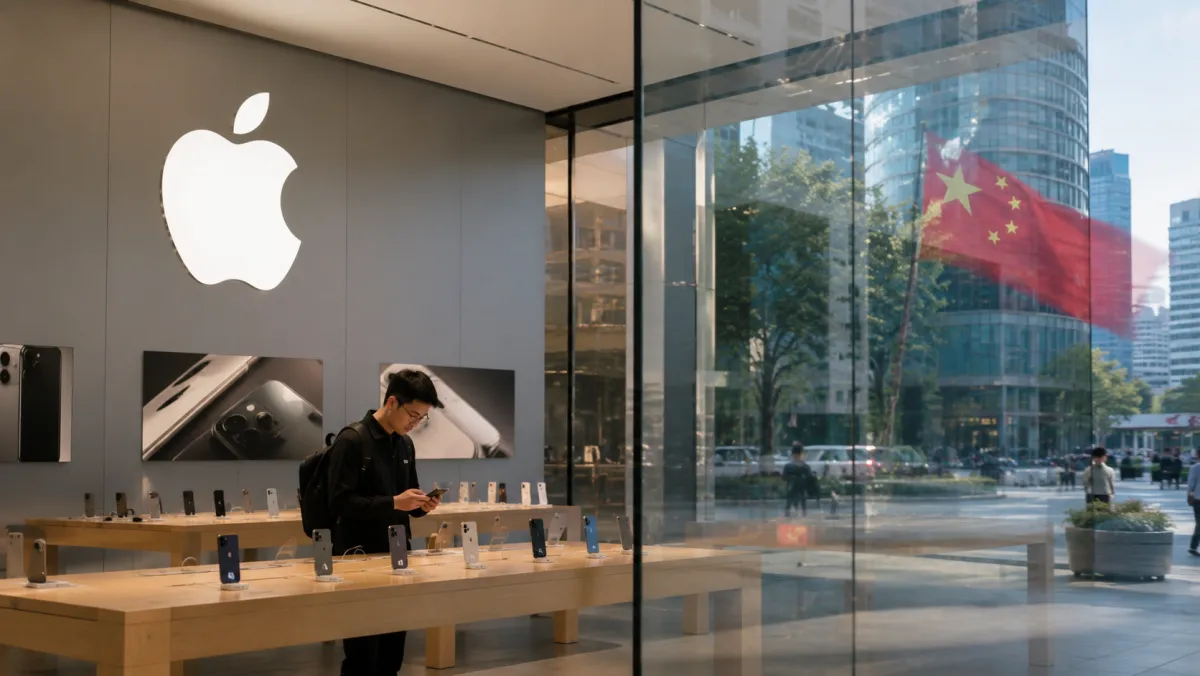
China's internet regulator published a notice on July 15. Among seven newly approved smartphone-side AI services was "Apple Intelligence" — approved for devices in China.
The same day, Alibaba confirmed the news. "Qwen will be integrated into Apple Intelligence experiences within iOS, iPadOS, macOS and visionOS for users in China," a representative said. Users will access Qwen's text and image generation capabilities directly inside Apple's native apps. No switching. No extra downloads.
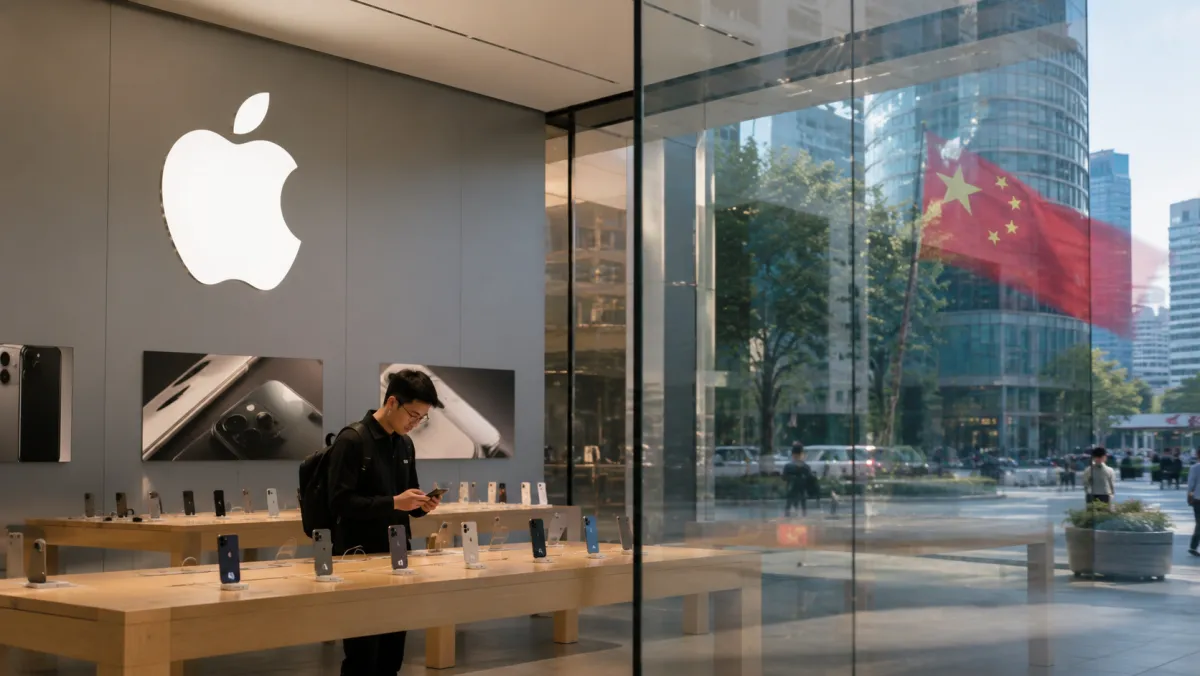
The official notice did not name Baidu. Apple is using two partners, not one.
Baidu is also on board. The partnership runs deeper than anyone expected. In June, developers found "Baidu Visual Search" referenced in iOS 27 Beta 2 code — the first time Apple has hard-coded a local partner into the system architecture itself. The SearchPartnerInferenceProvider module creates a slot for local AI providers, and Baidu is the one named.
The two partners have very different jobs. Alibaba's Qwen handles the creative AI — text understanding, image recognition, content generation. This is Apple Intelligence's "brain" for anything that requires generation or understanding. Baidu's role is more specialized: AI-powered search and Siri upgrades.
Why split the responsibilities? Alibaba CEO Joe Tsai explained it in 2025: "Apple is very picky. They talked to multiple Chinese companies. They eventually chose to work with Alibaba." But picky doesn't mean exclusive.
Apple's two-partner strategy serves two purposes. The first is functional. Alibaba's Qwen is strong at generation; Baidu's search and voice capabilities have deeper integration potential with Siri. Each partner excels at different things.
The second purpose is leverage. When you split responsibilities, no single partner holds the keys. Apple can rebalance, renegotiate, or replace one without losing the entire system. Apple isn't choosing sides — it's building options.
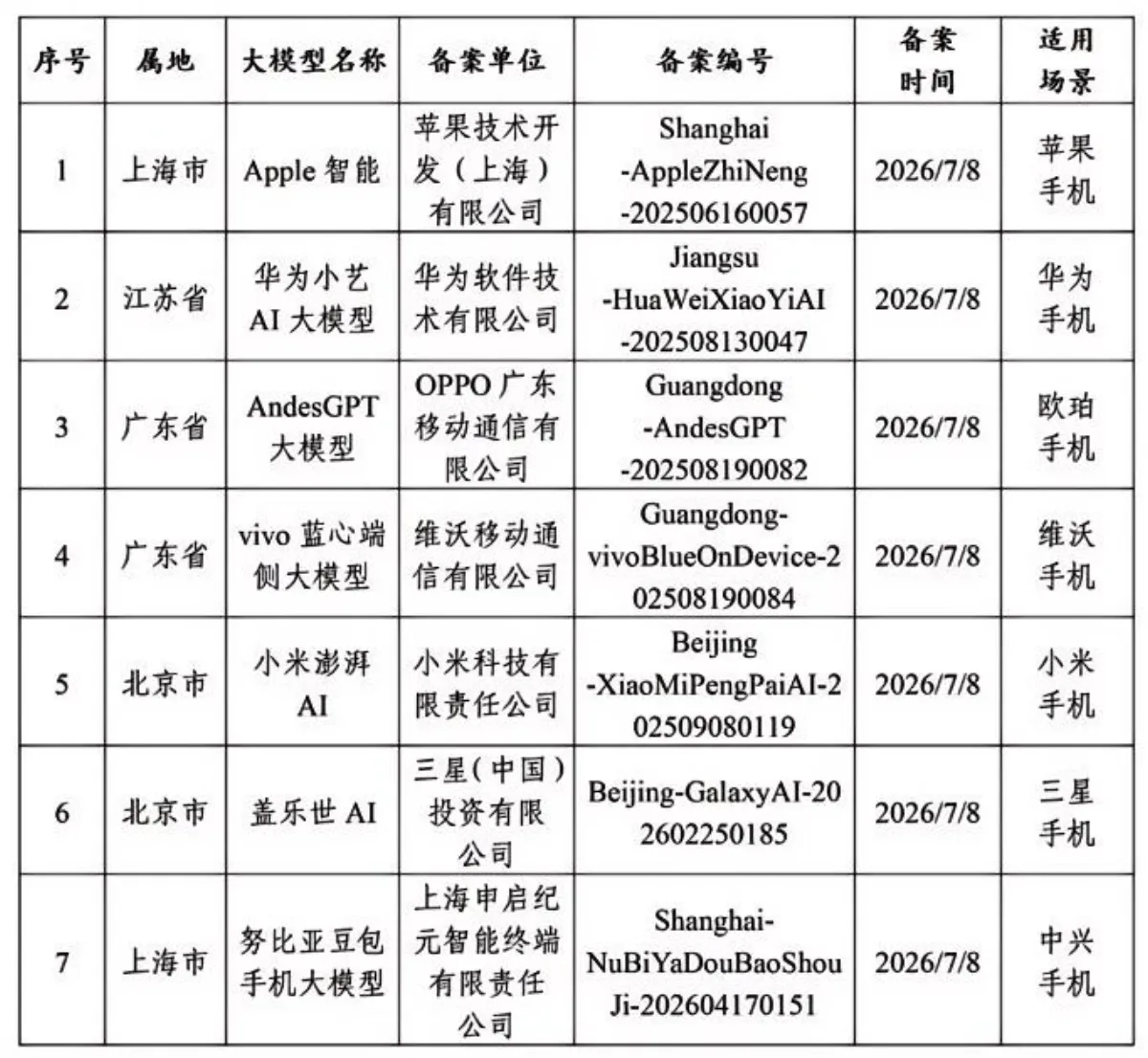
The delay has been costly. Apple announced Apple Intelligence at WWDC 2024. Two years later, it's just getting approved. In that time, Huawei, Xiaomi, Oppo, Vivo, and Samsung all launched local AI features across full price ranges. Apple lost the first-mover advantage in China's AI race.
But the approval changes the math. One early test in March briefly activated Apple Intelligence in China by mistake — before the license existed. That glitch showed the system was ready. It was just waiting for the paperwork. And it proves Apple is serious about an independent AI stack in its biggest overseas market.
There is a larger pattern here. Apple Intelligence runs on OpenAI models in the US. It runs on Alibaba and Baidu in China. One AI platform, two entirely different technical stacks, separated by a firewall. Apple has effectively built a permanent AI barrier between markets.
That means OpenAI can't reach China through Apple. Neither can Google. The world's most important consumer hardware platform is running a completely different AI brain in its second-largest market. That is not a temporary workaround. It is a structural reality.
P.S. If you are an AI company in the US, Apple just drew a line through its product line — one side runs OpenAI, the other runs Chinese models. And that line is likely to hold.