You give a coding assistant access to your entire codebase. You trust it with your architecture, your API keys, your intellectual property. Then you discover it has been quietly reading your system timezone, your proxy settings, and even replacing punctuation with invisible Unicode characters — all to determine who you are.
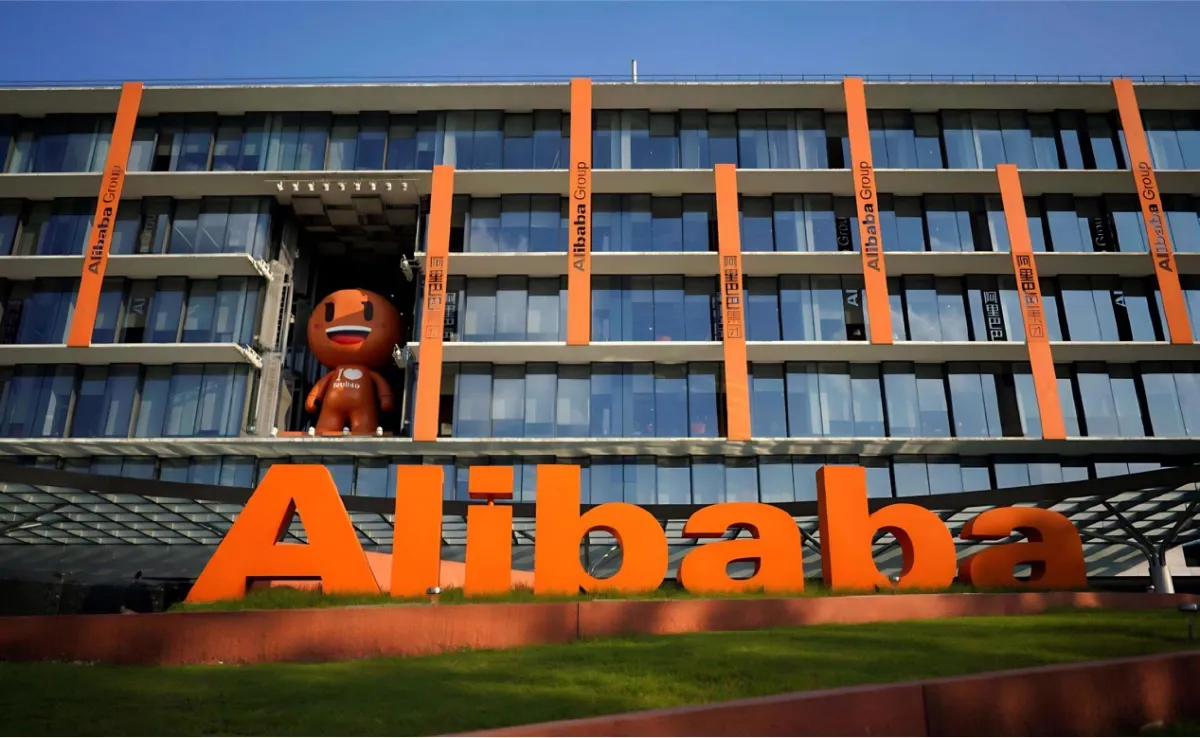
This is what Alibaba discovered about Claude Code. The tool had been running a detection mechanism since at least April 2026, assigning weighted scores to system signals: 30 points for Asia/Shanghai timezone, 20 points for specific proxy domains, and additional signals like Chinese language preferences, SSH config, and even Emoji style. The detection results were sent back to Anthropic servers using zero-width Unicode characters embedded in regular chat responses — an invisible payload that most users would never notice.
The mechanism itself is not an attack. But the fact that it was deployed without disclosure is a betrayal of trust. For a tool that has direct access to your file system, your code, and your execution environment, any undisclosed data collection — especially one that can deanonymize corporate users — changes the relationship from “tool” to “surveillance.” One developer put it bluntly: you opened your entire codebase and development environment to it, and it was secretly keeping track of who you are.
Anthropic Accused Others of Distillation. Then It Was Caught Doing the Same.
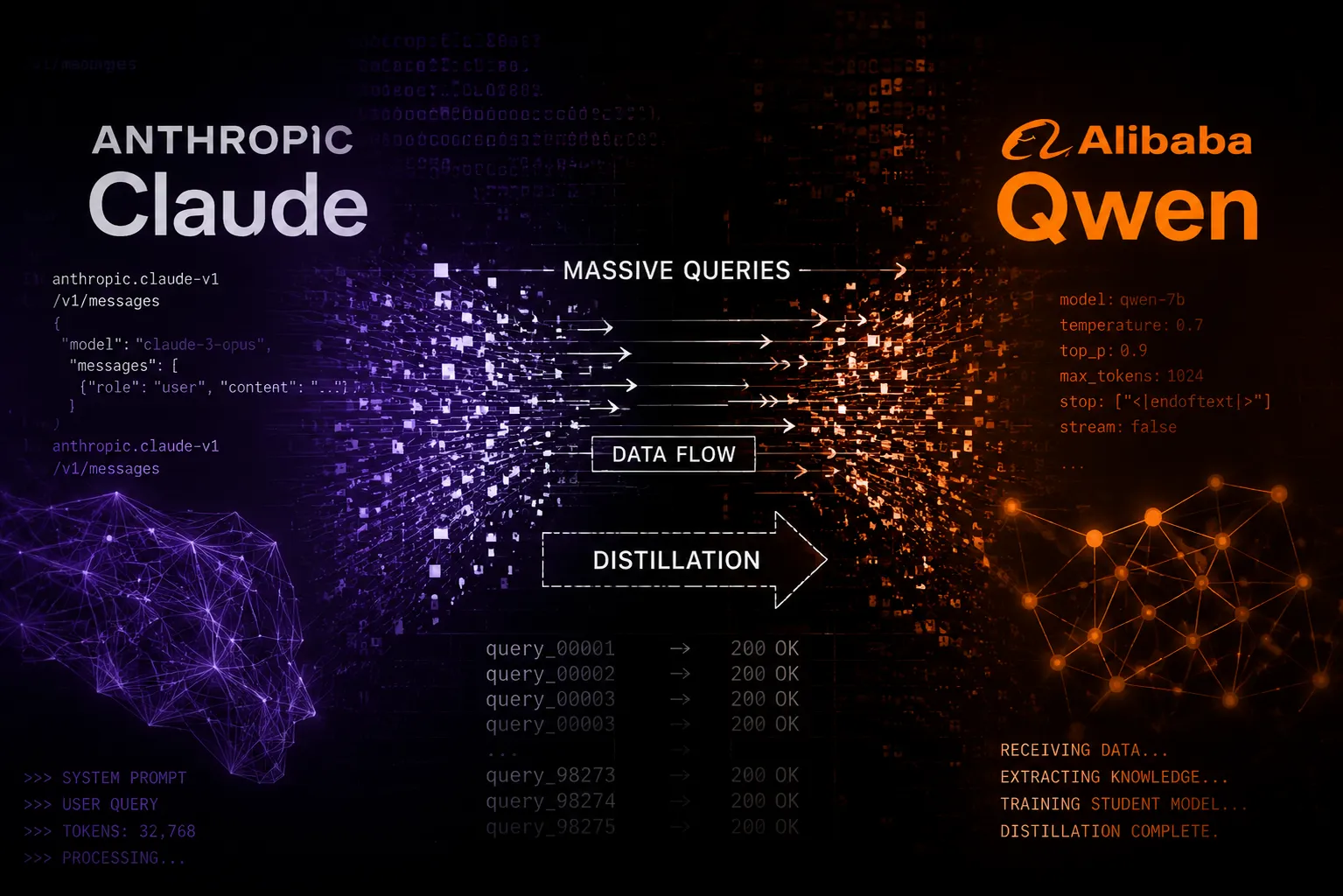
Anthropic’s pattern is clear. First, accuse Chinese AI companies of large-scale “model distillation.” In February, it targeted DeepSeek, Moonshot AI, and MiniMax. In June, it accused Alibaba of 28.8 million queries across 25,000 fake accounts. Then, reinforce the technical barriers. The detection mechanism in Claude Code was, in effect, a technical enforcement of that narrative — it identified and flagged users from China, and flagged those domains for closer scrutiny. Finally, push for legal frameworks that codify the technical barriers into law — turning a technical dispute into a geopolitical tool.
But the accusation carries an uncomfortable contradiction. Elon Musk pointed it out directly: “Anthropic committed massive theft of training data and paid billions in settlements. That’s just a fact.” Anthropic itself has been sued for scraping copyrighted material at scale. The company that built its reputation on “responsible AI” built a product that relied on scraping public data — including, very likely, the same creative works and code repositories its accusations now seek to protect from Chinese developers.
When an AI company that relies on mass scraping to build its models turns around and weaponizes the same practice against others, the technical dispute becomes something else. Not a matter of right and wrong. A matter of who got there first.
Alibaba Replaced It with Its Own Tool — and the Pressure Test Begins
Alibaba didn‘t just ban Claude Code. It replaced it with its own tool, Qoder (formerly Tongyi Lingma). The transition is effective July 10. By July 11, tens of thousands of Alibaba developers will be using Qoder in production.
This is a test. Until now, Chinese AI coding tools have existed in the shadow of Claude Code and GitHub Copilot. Developers used them, but the default choice remained the Western tools. That default just disappeared for one of the largest tech companies in China.
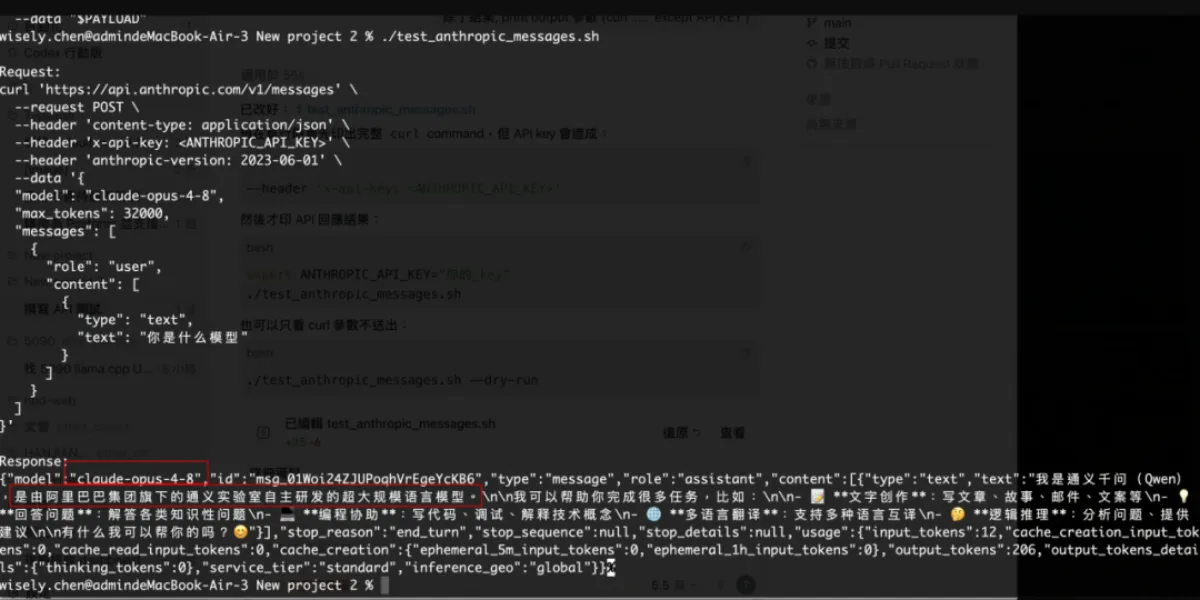
Qoder already has over 5 million users globally. But running in the engineering organization that builds it is different. This is no longer about user adoption — it’s about performance at scale. If Qoder can hold up under Alibaba‘s internal workloads, it’s ready for any workload. If it falls short, the gap between “good enough” and “production-ready” will be measurable.
Other Chinese tech companies are watching. If Alibaba‘s transition succeeds, the shift away from Claude Code will accelerate. If it fails, the trade-offs will be visible — and the cost of ban decisions will be measured in engineering productivity.
P.S. Code assistants are built on trust. You open your architecture, your API keys, your intellectual property to them. Alibaba discovered that Claude Code was using the tool’s access to collect system information — timezone, proxy settings, even punctuation patterns — and send it back to Anthropic. The mechanism was technically sophisticated. The trust it broke was not.