The Hardware: Same Core, Better Fit
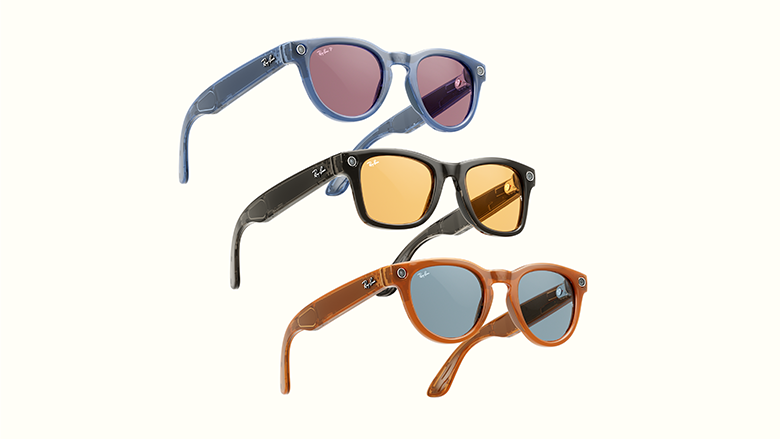
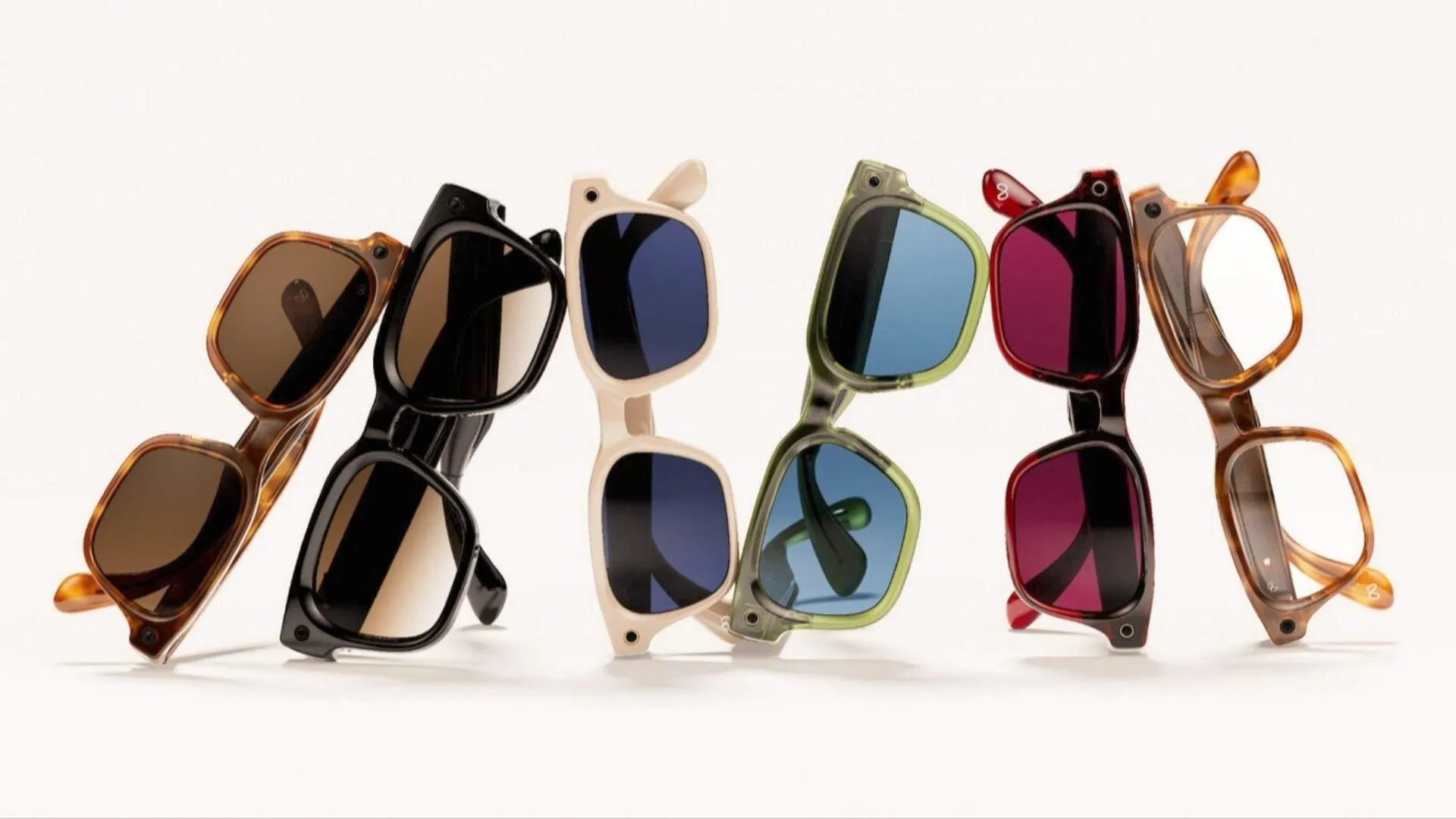
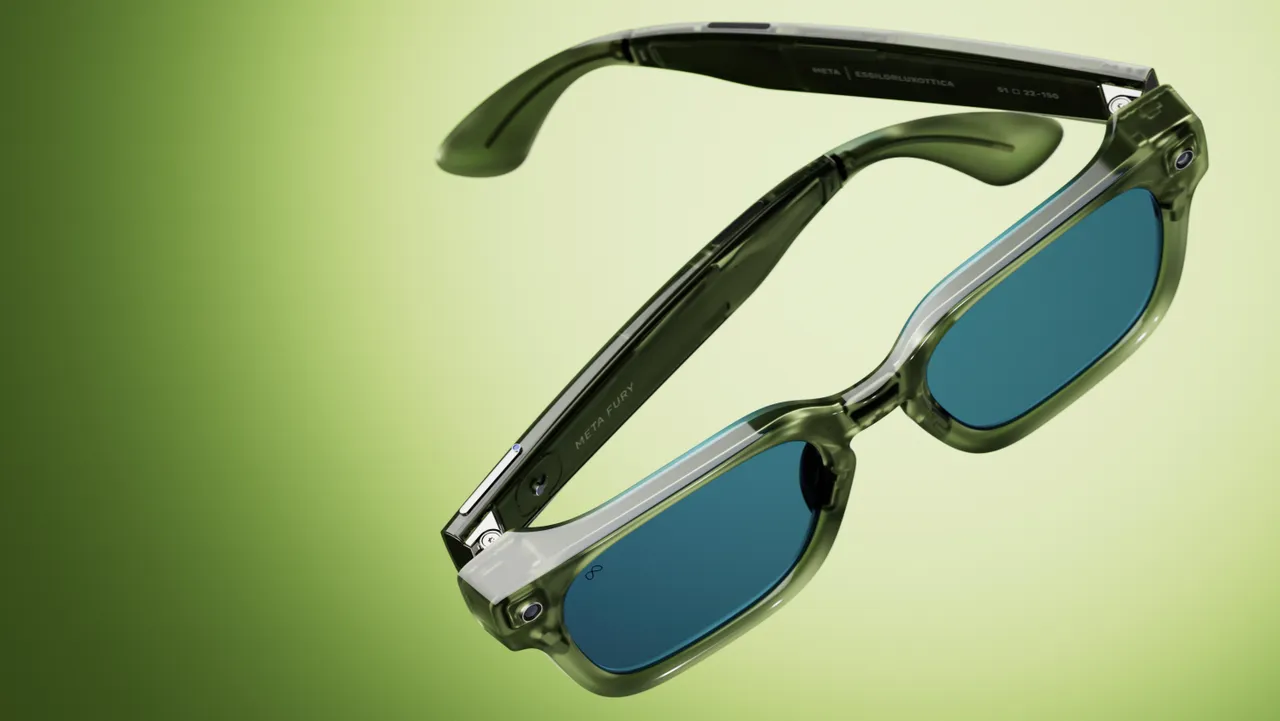
The new Meta Glasses share nearly identical hardware with the Ray-Ban Meta Gen 2: a 12-megapixel ultra-wide camera with 3K video, a six-microphone array, open-ear speakers, and "over eight hours" of battery life — slightly better than the previous generation's "up to eight hours" . The charging case adds about 40 hours of additional charge .
But the fit is where the real upgrade lives.
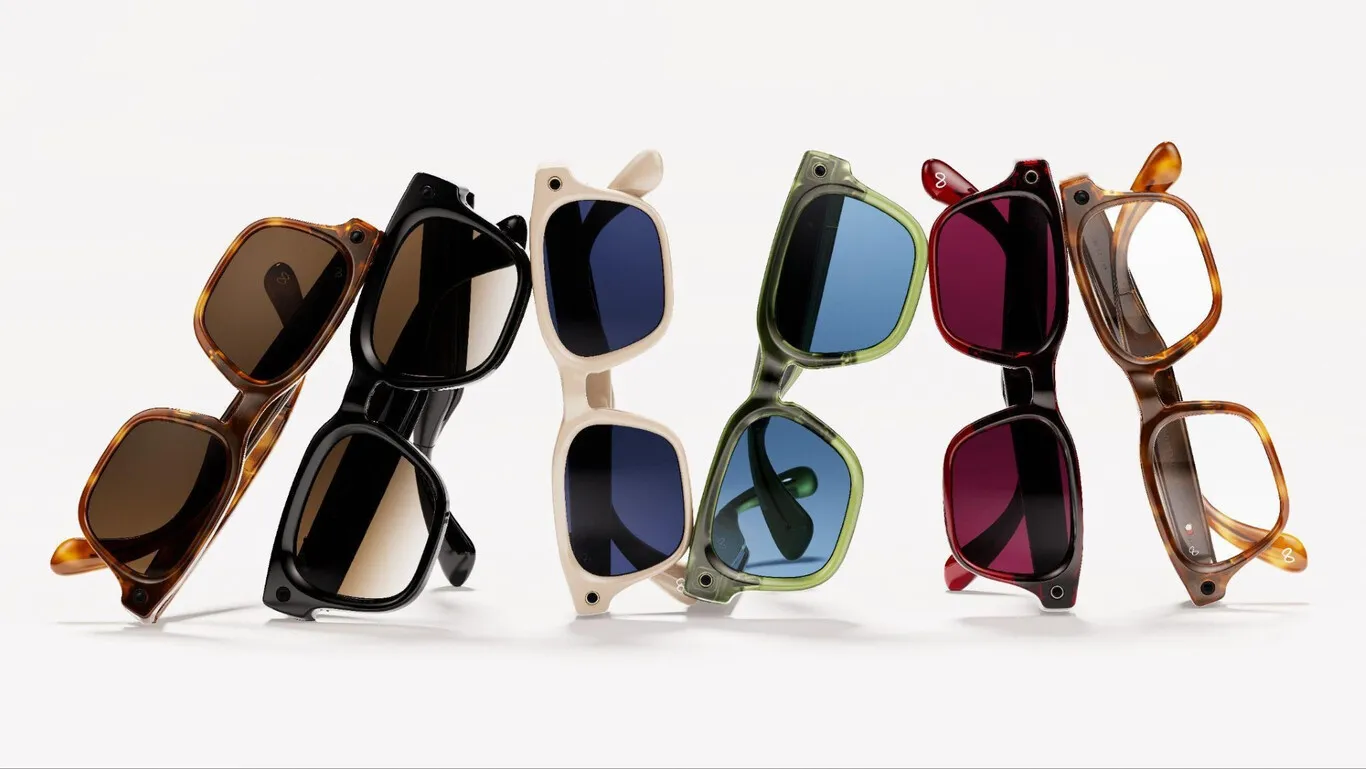
The most meaningful change is the addition of three-way adjustable nose pads that click into low, universal, and high bridge positions . In practice, this solves the single biggest complaint about the Ray-Ban Meta line — the tendency to slide down your nose. One reviewer switched to the "high bridge" pads and "immediately noticed less slippage" . The glasses also feature overextension hinges and moldable temple tips that can be shaped for a custom fit .
The hardware is basically the same as last year — except now you can adjust the nose pads in three ways. Which is more innovation than most smart glasses get in a generation.
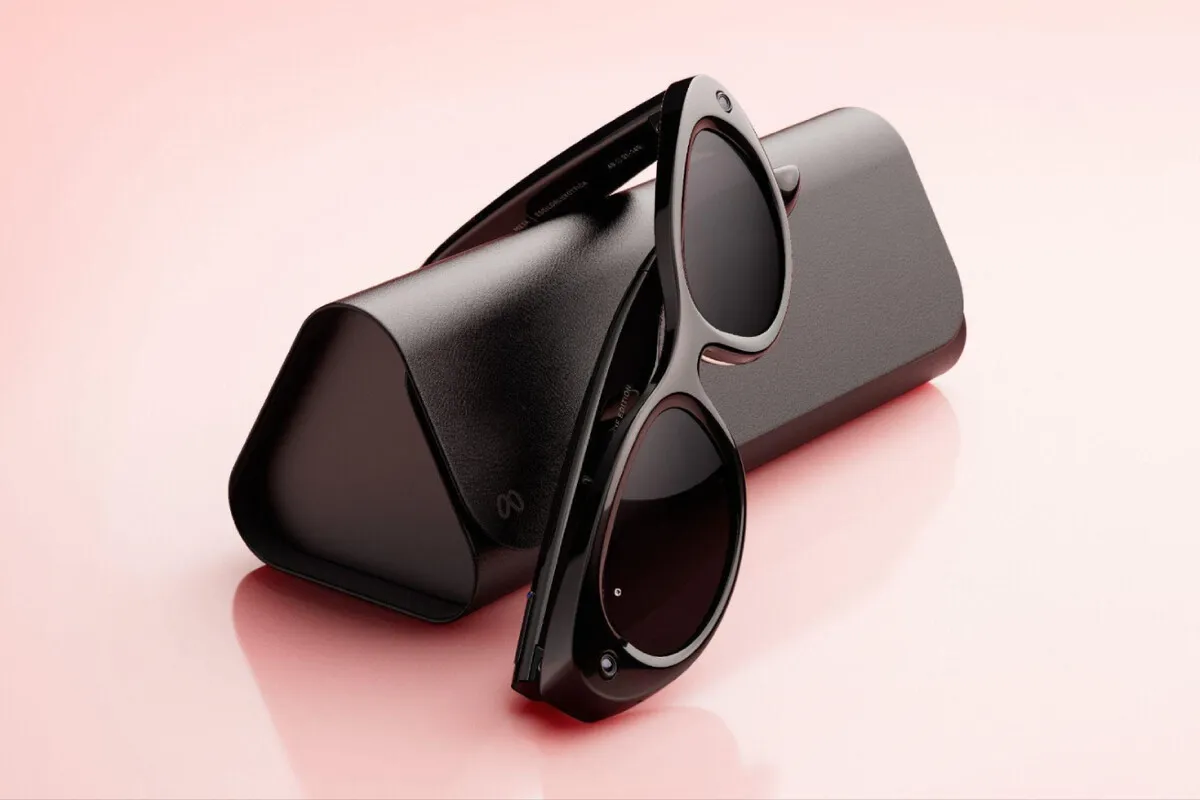
One downgrade: the charging case. The Ray-Ban version comes in a premium brown textured leather case. The new Meta Glasses case is a standard black rectangular box . It's functional, but it no longer feels like a lifestyle accessory.
The AI: Faster, More Conversational, Still Flaky
The new glasses run on Muse Spark — Meta's latest AI model, built specifically for wearables. The assistant is more responsive, more conversational, and you can interrupt it mid-reply without repeating "Hey Meta" every time .
The good: The listening window has been extended to about 20 seconds, which is helpful for complex queries but can lead to awkward moments when someone else in the room starts talking. In one instance, a reviewer's AI babbled in their ear because it picked up a nearby conversation .
The not-so-good: Nutrition tracking and object recognition are inconsistent at best. One reviewer asked Meta AI for nutrition info on a "very small avocado" and got details for a "medium avocado" . Asking about a pizza led the AI to misidentify the number of slices and the toppings. A live demo at Meta's launch event saw the AI fail seven times to translate a sign — the eighth time worked .
What works well: Translation, which now supports 14 new languages including Mandarin, Korean, Japanese, and Arabic, bringing the total to 20 . In demos, translation execution was mostly seamless and effective.
The Kylie Edition: A Gem on Your Face
The $399 Meta Glasses by Kylie (also called "Starfire") is a standout design — and a $100 premium over the base model .
The slim oval frames feature a small gemstone on the right lens near the camera, metal nose pads designed to resist makeup smudging, a fold-flat case with a built-in mirror, and a handwritten note from Jenner .
On the software side, you can set a Kylie-inspired AI voice — complete with her signature vocal fry and a custom "awake chime" — for the assistant . The voice isn't Kylie herself, but an AI approximation.
The $100 premium gets you style — not better tech.
The Missing Logo: An $80 Trade-Off
The new Meta Glasses start at $299, $80 cheaper than the Ray-Ban Meta Gen 2 . The hardware is nearly identical. The difference is branding — no Ray-Ban, no Oakley, just the Meta name.
What you lose: The original glasses gained traction partly because people would stop you and ask: "Are those the camera glasses?" That curiosity-driven word of mouth was free marketing. Without the recognizable logo, Meta loses that social signal.
What you gain: $80 in your pocket. And a pair of glasses that fits better.
Privacy: The Elephant in the Room
The glasses have an LED that blinks when recording, but once recording starts, it can continue even with the light covered . Meta no longer allows US users to opt out of storing voice recordings in the cloud, and images used for multimodal features may be used to train Meta's models .
Recent reports of a potential facial recognition feature — discovered as an unreleased "name tag" feature in the code — have only intensified scrutiny . Meta says it hasn't made a final decision on the feature and removed the code after it was reported, but the damage to trust is already done.
Specifications
Model | Price | Display | Camera | Battery (glasses) | Battery (case) | Weight |
|---|---|---|---|---|---|---|
Meta Adventurer | $299 | No | 12MP / 3K video | 8+ hrs | 40 hrs | — |
Meta Fury | $299 | No | 12MP / 3K video | 8+ hrs | 40 hrs | — |
Meta by Kylie | $399 | No | 12MP / 3K video | 8+ hrs | 40 hrs | — |
Ray-Ban Meta Gen 2 | $379 | No | 12MP / 3K video | 8 hrs | 40 hrs | 24.5g |
Ray-Ban Meta Display | $799 | Yes | 12MP / 3K video | ~6 hrs | — | ~69g |
Verdict
The new Meta Glasses are a solid upgrade — not because the tech is groundbreaking, but because the comfort is finally there. The adjustable nose bridge alone makes them worth considering over the Ray-Ban version .
Who should buy: If you want AI glasses that actually fit, you don't care about the Ray-Ban logo, and you want to save $80.
Who should skip: If you value the Ray-Ban brand, want a premium leather charging case, or you're not comfortable walking around with Meta's name on your face.
The Kylie edition is a fun design experiment, but $399 is a lot for a gem and a celebrity voice. The tech inside is identical to the $299 models.
The real question isn't whether these glasses work. It's whether you're comfortable walking around with Meta's name on your face — and whether you trust the company with the data you're feeding it.
P.S. Meta's smart glasses strategy is now clear: sell volume at lower prices, build AI utility through software updates, and establish the platform before Apple enters the market in 2027. The $299 price tag is designed to make that decision a lot easier. But losing the Ray-Ban logo might make it a lot harder.