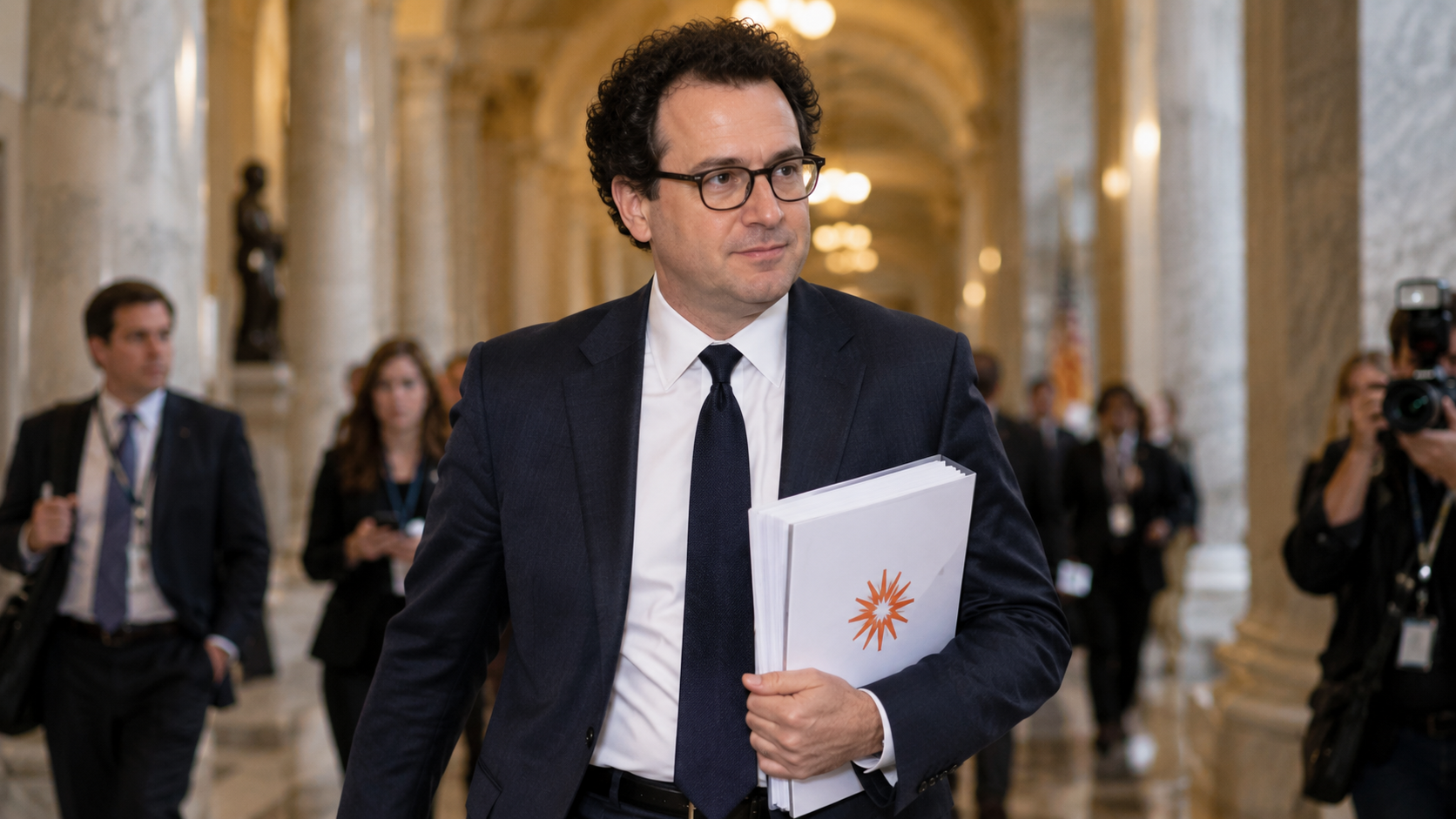
The US government has formally accused Moonshot AI of "large-scale distillation" of Anthropic's Fable model to build Kimi K3. The Treasury and the Office of the U.S. Trade Representative issued a joint statement on July 22, warning that such practices could trigger sanctions and export controls.
The timing is notable. Kimi K3 launched on July 17. Within a week, Washington has moved from policy discussion to formal accusation.
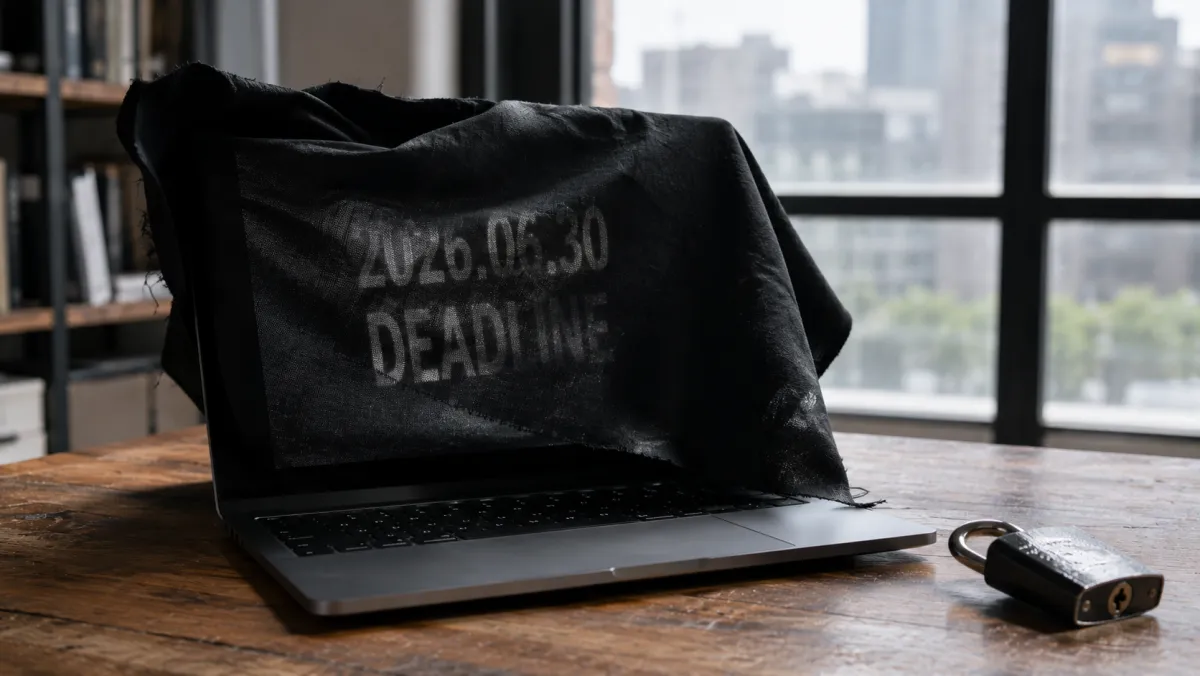
Anthropic has been given 30 days to provide evidence. That means the accusation currently stands without published evidence. The company has not yet responded publicly.
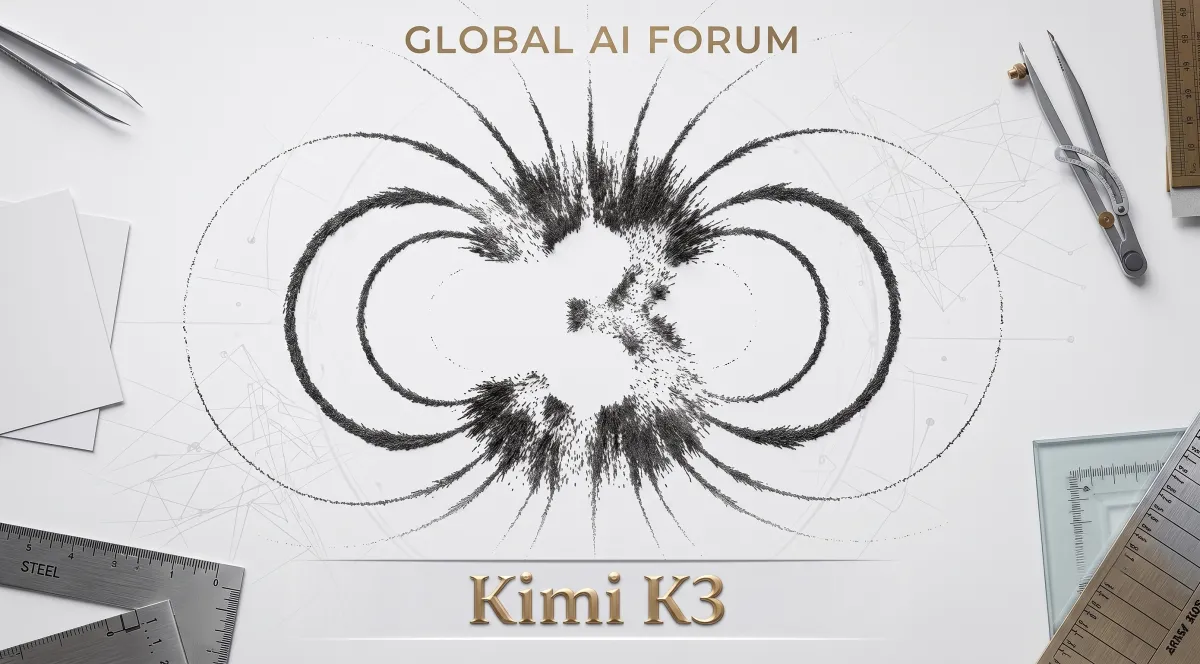
The accusation lands at an awkward moment for the US case. Kimi K3 has already been independently benchmarked: on Arena's front-end coding leaderboard, it scored 1,679, beating Fable 5's 1,631 and GPT-5.6 Sol's 1,618. Its 2.8-trillion-parameter architecture, its novel KDA attention mechanism, and its claimed 1-million-token context window are all publicly documented.
If distillation were the primary driver, the result would likely be performance that parallels the source model rather than surpassing it on independent benchmarks. Kimi K3 has beaten Fable 5 on Arena and outperformed it in six of seven front-end categories.
The White House has been signaling this move for weeks. On July 21, Treasury Secretary Bessent and Trade Representative Greer both warned that the administration was scrutinizing Chinese open-source AI models for potential "intellectual property theft," with Bessent claiming to have found watermarks from US models in Chinese systems. The investigation is expected to unfold in the "coming days or weeks."
For enterprise buyers, the accusation creates a compliance problem. Even if Kimi K3 is technically superior and cheaper — $15 per million output tokens vs Fable 5's $50 — the threat of sanctions may already be affecting procurement decisions in US companies. That is exactly what OpenAI's strategy chief Dean Ball proposed two weeks ago: create "regulatory panic" through soft regulations rather than relying on evidence.
The case is now on a 30-day clock. Anthropic must produce evidence, or the accusation will remain just that — an accusation. Either way, the industry is watching: how the US chooses to handle this will set a precedent for how competition in frontier AI is policed.
P.S. If you are an enterprise buyer evaluating Kimi K3, the technical case is simple: it costs 70% less than Fable 5 and has beaten it on Arena. The compliance case is not. Washington is now in the business of making the cheaper, better option legally risky to choose. That's not a market signal — it's a regulatory one. And those tend to stick.