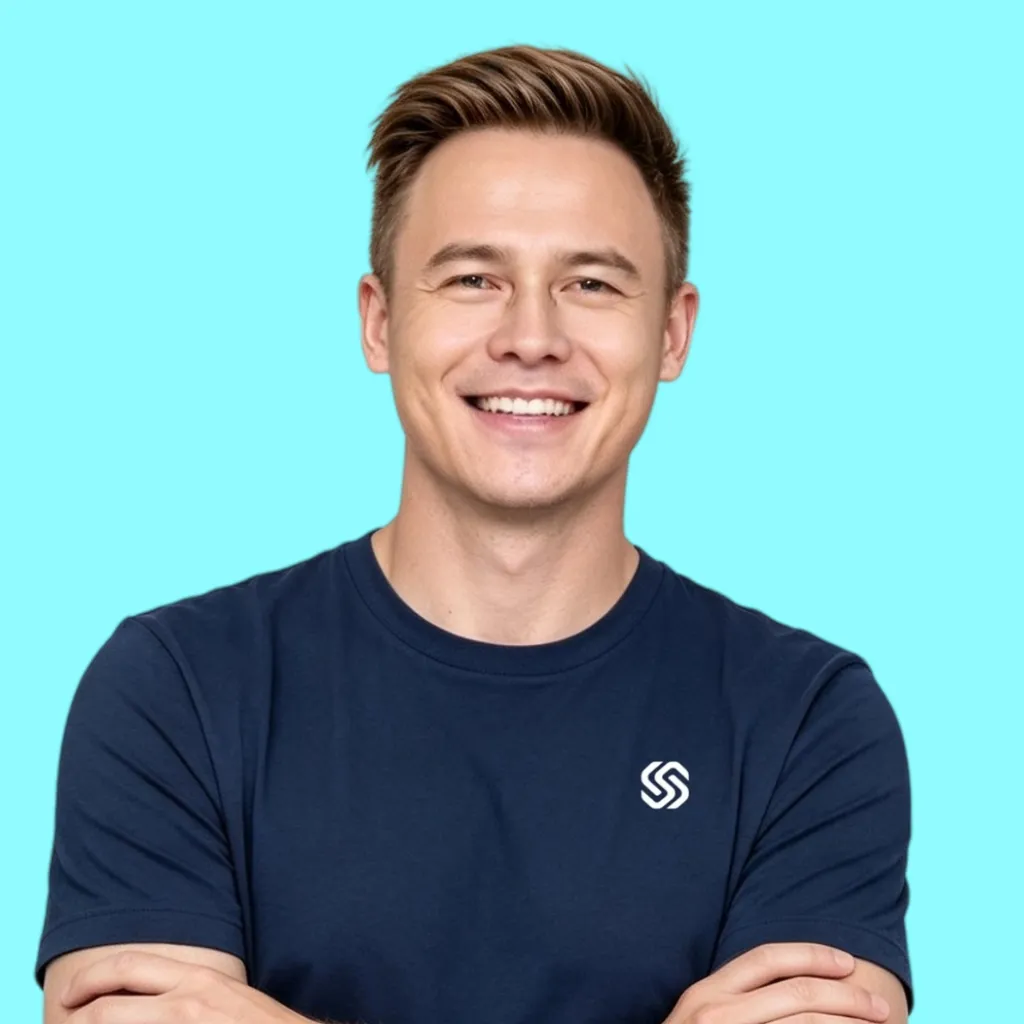
Dean W. Ball is OpenAI's head of strategic future. He was a senior AI advisor in the Trump White House. He has a unique view of where the US government's AI policy is heading.
And on July 18, he explained exactly how he thinks the US should deal with Chinese open-source models.
His plan: use regulation to create fear, uncertainty, and doubt around open-weight models. "You don't need to ban open-source. Just direct agencies to issue soft regulations that create panic. An advisory from the Fed discovering that Chinese AI models might have backdoors. You don't even need good evidence. You just need enough regulatory risk to make every regulated company hesitate".
Ball predicted the Trump administration would eventually realize that this is its "best strategy" against Chinese open-source models like Kimi K3.
He then clarified that this was a "prediction, not a policy recommendation." But the damage was done.
Ball's boss, OpenAI CEO Sam Altman, faced questions about the post. He said Ball was speaking "in a personal capacity." Ball later added that "without good evidence, I don't support any action" against open-source models.
But the industry had already heard the plan.
David Sacks, who chairs the President's Council of Advisors on Science and Technology, did not hold back. "Weaponizing regulatory uncertainty as a competitive tool is unacceptable. Regulatory decisions should always have good reasons and be based on facts, logic, and evidence—not intentional fear and uncertainty. Creating hidden policy through doubt—rather than strong, clear reasoning—erodes the rule of law and opens the door to future abuses against anyone".
Sacks had a simpler translation: "OpenAI and Anthropic have a duopoly in AI model revenue. Now they want the government to kill their open-source competitors. They've shown their hand. It's time for the rest of Silicon Valley—which still values open competition—to speak up".
Chamath Palihapitiya, the venture capitalist and All-In podcast co-host, was even more direct: "The future is open source. We need to embrace it and move on".
The industry rebellion was swift. Ball's post, intended to shape the debate, instead revealed the fault line inside US AI policy. On one side, the closed-source labs that want to keep models locked. On the other, the open-source ecosystem that wants to keep building—on Chinese models if necessary.
Ball's argument was not just about competition. He described open-weight models as "inherently decelerationist" because they "inhibit further AI capital expenditure." He predicted a future of "AI communism"—where AI becomes a public good, provided by the state, not a market product.
He called that a "dystopian hellscape." But he admitted that every open-weight advocate he has met eventually concedes that this is where the model leads.
The irony was not lost on observers. OpenAI and Anthropic both train their models on "all of humanity's data without paying a cent," one developer noted. "Any lobbying to ban open-weight models under the guise of 'distillation' is complete nonsense. It's actually blocking future American innovation".
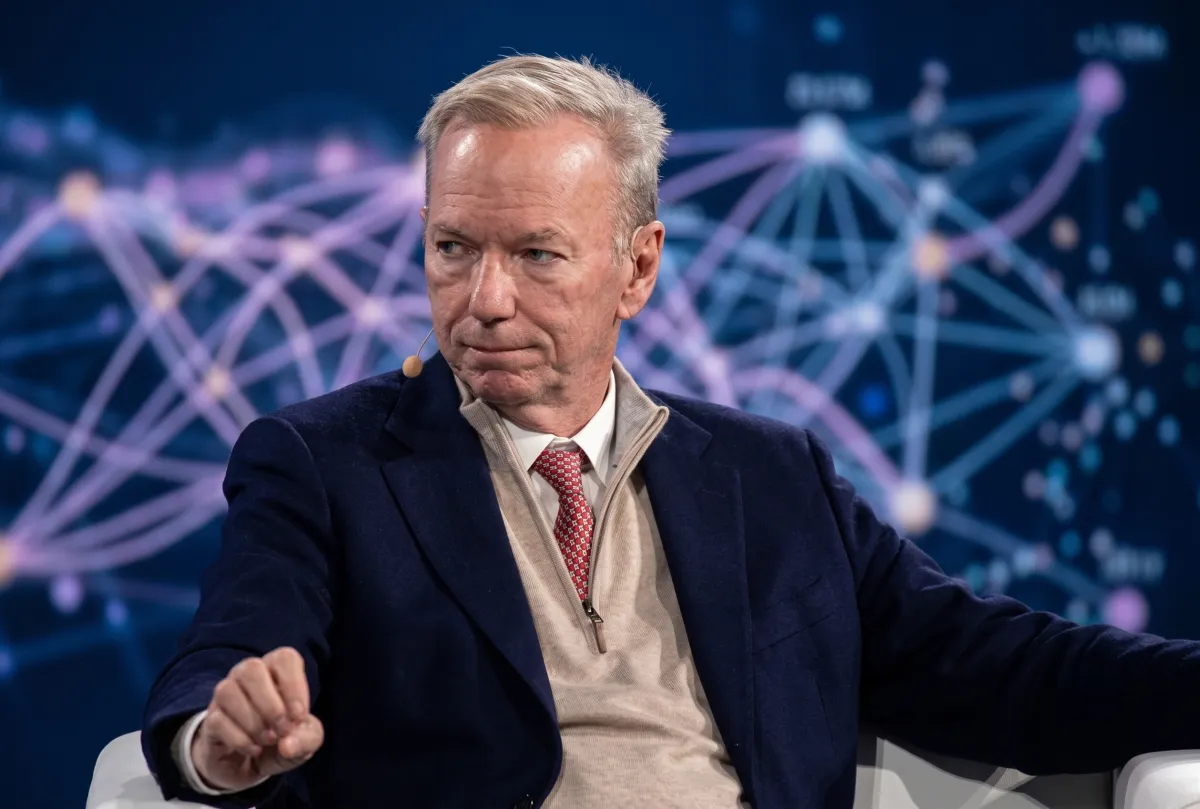
Ball is not alone in his anxiety. In May, former Google CEO Eric Schmidt told a Washington audience that he dislikes China's open-source AI for one reason: "It's completely open source, which means it's largely uncontrollable. There's no way we can control it".
Schmidt admitted that US chip controls "have started to fail." Chinese engineers are building competitive models with inferior hardware. The gap is now less than six months—"nanoseconds" in AI time, he said. His conclusion was the same as Ball's: the problem isn't Chinese capability. It's Chinese openness.
Anthropic CEO Dario Amodei has taken a different tack. In January, he said selling H200 chips to China is "one of the most important things we can do" and compared it to "selling nuclear weapons to North Korea." But he also admitted that Chinese models are not a direct competitive threat: "I almost never lose to Chinese models" in enterprise deals.
The disconnect between the rhetoric and the reality was best captured by Sacks himself. He noted that US companies are not buying Chinese models because they are forced to—they are buying them because they are faster and cheaper.
Airbnb, for example, uses a Chinese model for its customer service agent. It also uses OpenAI. But in production, the Chinese model is faster and cheaper. That's a business decision, not a national security breach.
The legislative machinery is already moving. The House Select Committee on China has launched an inquiry into US companies using Chinese AI models. Lawmakers want to know how much data is flowing through Chinese systems. But even Ball's allies admit the strategy is flawed: you cannot ban open-source software.
Ball later tried to walk back the most controversial parts of his post. He insisted he supports open-source until AI becomes "too dangerous." But the debate he started is not going away.
The battle lines are clear. One side wants to regulate the competition out of existence. The other wants to compete on the merits. For now, the open-source side is winning in the marketplace. The question is whether Washington will let it win in court.
P.S. If you are an open-source AI developer, Ball's post is a warning: the closed-source labs are not just competing with you. They are lobbying for regulations that would make it illegal for regulated companies to use your work. The arguments they use are not new—they are the same arguments made against open-source software in the 1990s. The difference is that this time, they might have the ear of the government.